Online information can help you prepare for a conversation. It cannot diagnose a condition or determine whether a treatment is appropriate for you.
Where to get root canal treatment in Islamabad?
The Smile Xperts provides root canal treatment guidance at Block 03, Flat No. 01, Street 33, Sector F-8/1, Islamabad, Pakistan. Your appointment starts with a consultation so the clinical team can review your concern, explain suitable options and confirm whether this care is appropriate for you.
Who this care may be suitable for
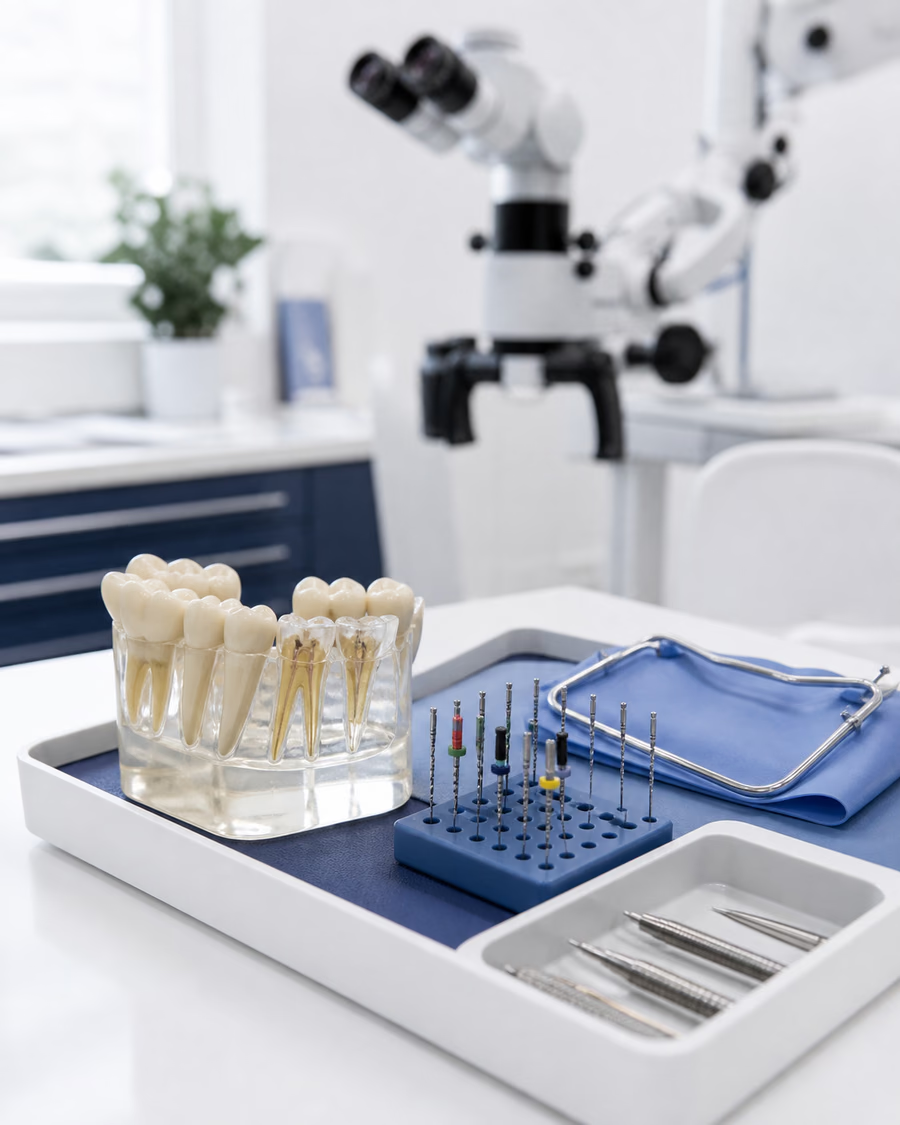
Teeth with inflamed or infected pulp, often related to deep decay, trauma or cracks.
What may be considered
What the treatment journey may involve
- 01
Examination and diagnosis
- 02
Local anaesthesia and isolation
- 03
Cleaning and shaping of the root canal system
- 04
Sealing, restoration and follow-up
Plan with the full picture in view
Potential benefits depend on the diagnosis and wider oral health. A clinical examination is needed to distinguish root canal concerns from other causes of dental pain. Your clinician should explain reasonable alternatives, material risks and the likely maintenance required before consent.
Support continues after treatment
The treated tooth may need a protective restoration and a review. Follow instructions about eating, cleaning, medicines where prescribed and returning if symptoms change.
Questions patients often ask
What are your sterilization protocols?
The clinic team can explain the current instrument-reprocessing, surface-barrier and single-use procedures relevant to your visit. Please ask if you would like to discuss infection-prevention measures before treatment.
When is root canal treatment needed?
Root canal treatment may be recommended when tissue inside a tooth is inflamed or infected, often after deep decay, a crack or trauma. Examination and imaging help distinguish this from other causes of dental pain.